"The biggest improvement I've ever made to my travel photography wasn't buying another camera. It was learning to carry less and see more."
PATT
Most vacation photos look boring not because you have the wrong camera, but because you're comparing them to highly planned, professionally edited images. The biggest difference isn't expensive gear—it's composition, planning, and knowing how to tell a story with your photos. After years of traveling with everything from full camera bags to a pocket-sized setup, I've learned that simplifying your process almost always leads to better travel photography.
Table of Contents
What Makes Vacation Photos Look Boring?
The Biggest Mistake Most Travelers Make
The Lesson That Changed My Travel Photography
Why Professionals Get Better Travel Photos
My 4 Rules for Better Vacation Photos
You Don't Need Better Gear
Final Thoughts
Frequently Asked Questions
What Makes Vacation Photos Look Boring?
Before we answer the question, I think we need to define what "boring" actually means.
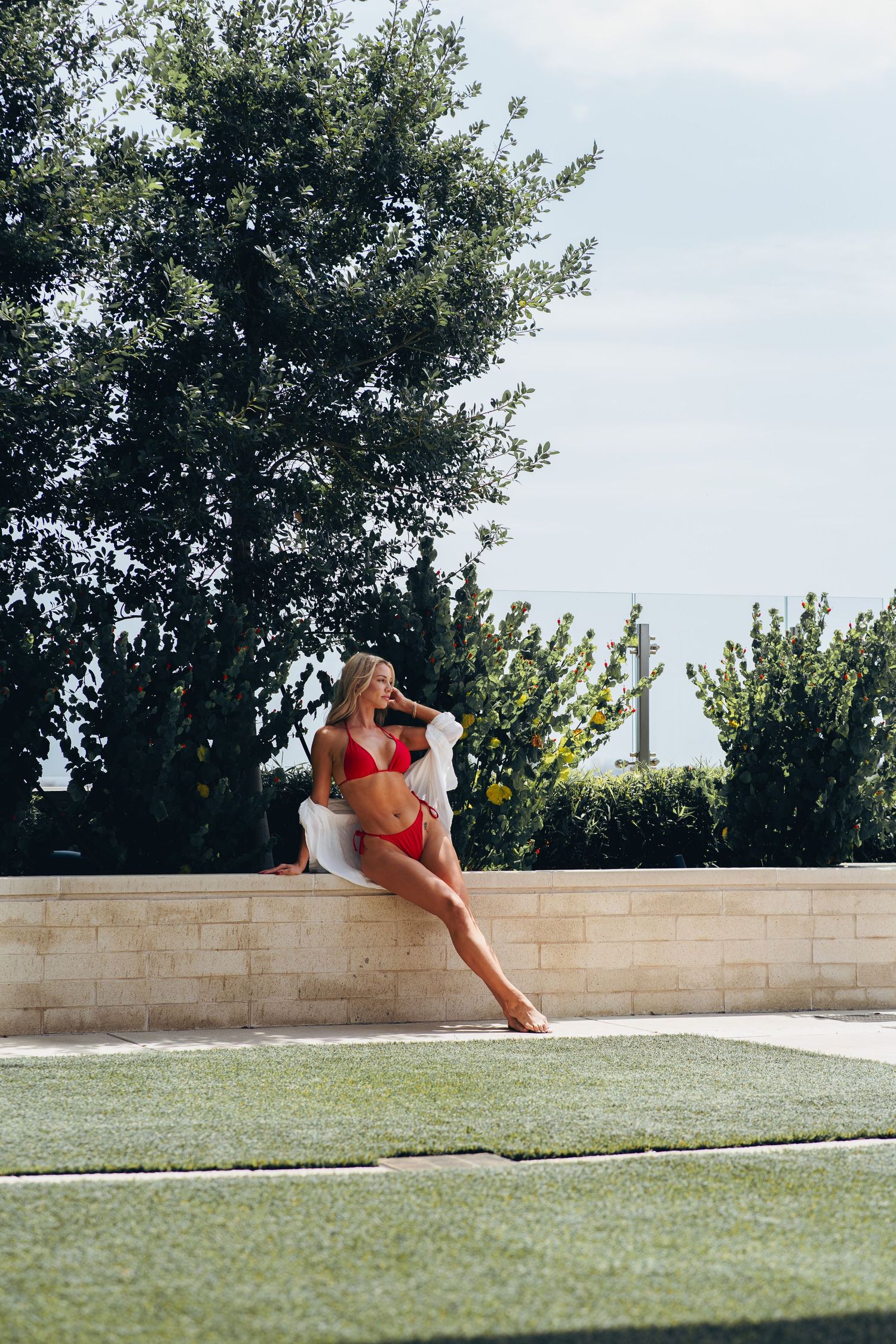
Are we comparing our vacation photos to a travel magazine where rivers look smooth because they were photographed using long exposures? Or are we comparing them to Instagram, where heavy editing, perfect posing, ideal lighting, and even body modifications can completely change what an image looks like?
Those are very different standards.
Most people aren't trying to create a magazine cover. They simply want to come home with photos that capture how incredible the trip actually felt.
The good news is you don't need years of photography experience or thousands of dollars in equipment to make that happen.
In my experience, most vacation photos look boring because people focus on taking pictures instead of creating photographs.
Photography isn't about documenting that you stood in front of a landmark.
It's about making someone else feel like they were standing there with you.
That shift in mindset changes everything.
The Biggest Mistake Most Travelers Make
I think the biggest mistake people make is showing up without any kind of plan.
The moment something looks interesting, they pull out their phone or camera, zoom in, take a quick picture, and keep walking.
There's very little thought given to composition, framing, or how the light is shaping the scene. Many of these same composition principles are what professional photographers rely on every day.
I've been shooting professionally for years, and one thing I've learned is that the biggest improvements rarely come from buying another camera. They come from slowing down just enough to think about what you're trying to say with a photograph.
A great vacation photo isn't usually accidental.
It's intentional.
The Lesson That Changed My Travel Photography
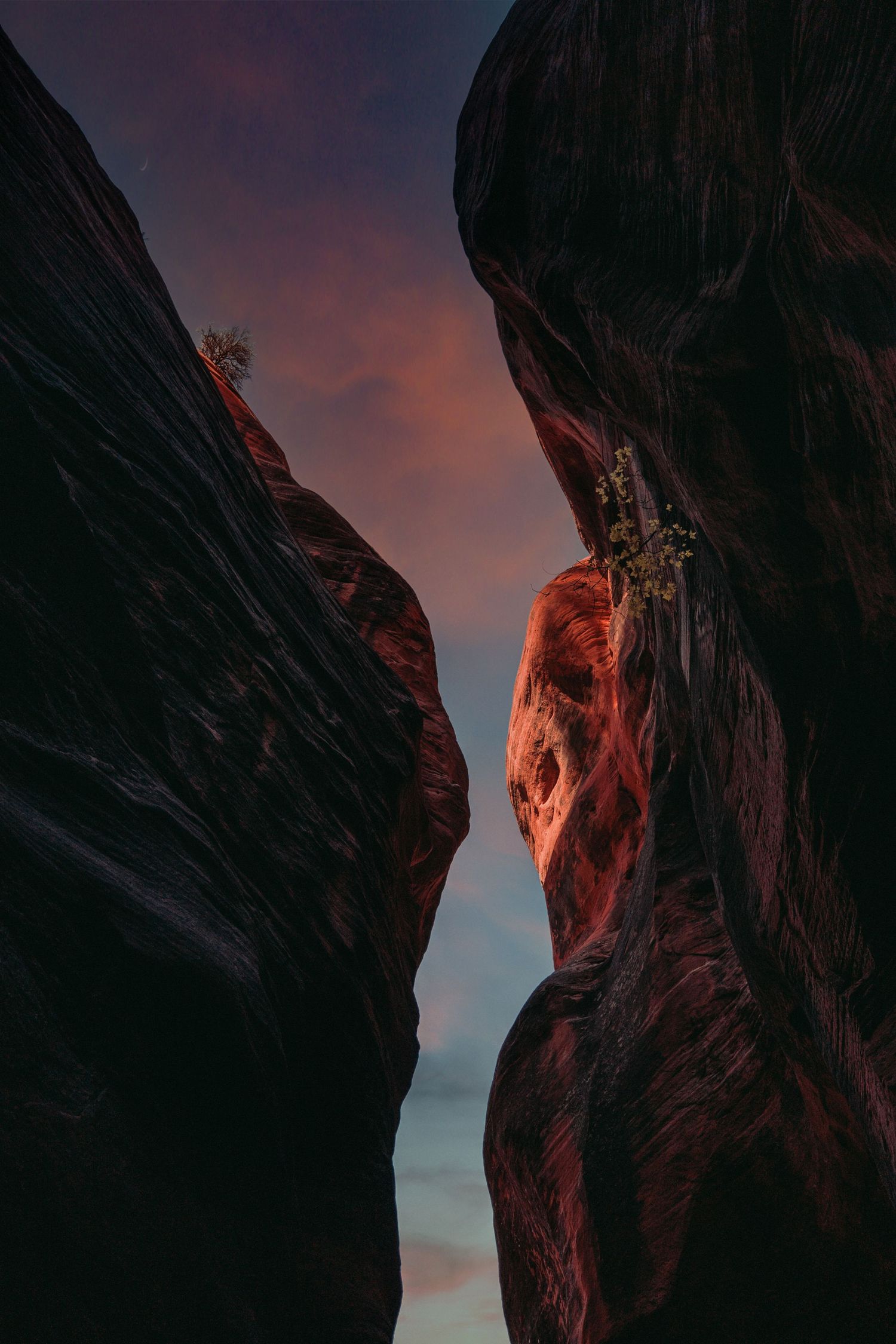
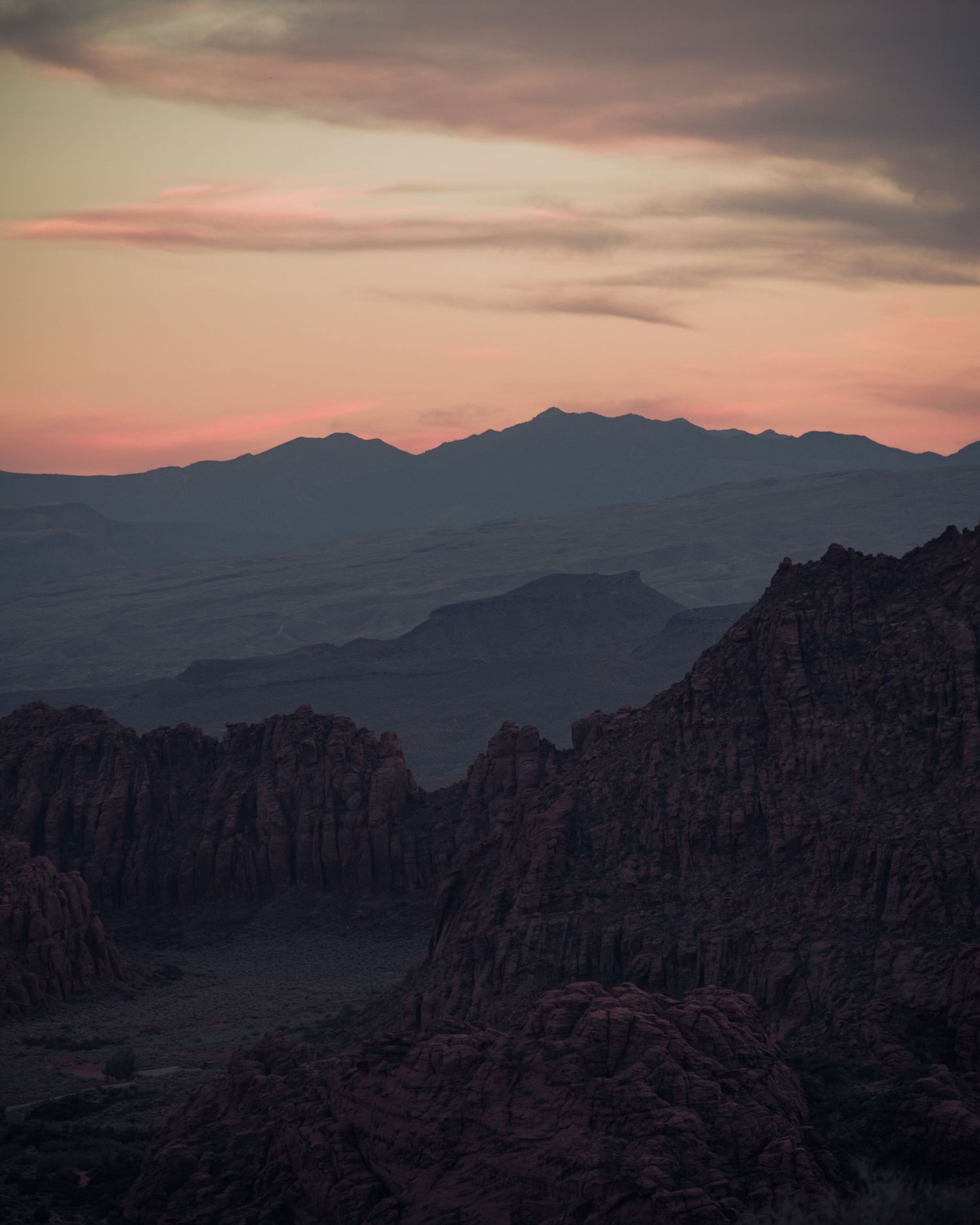
My wife is from Utah, so for years we found ourselves traveling there several times a year. Eventually, we even lived there for about three years.
If you've ever been to Utah, you know it's almost like two completely different states. Southern Utah is famous for its red rock formations, canyons, and desert landscapes, while the northern half offers alpine lakes, evergreen forests, and snow-capped mountain ranges.
It became the perfect place to experiment with photography because I could practice in completely different environments without changing states.
Looking back, there is one thing that improved my vacation photography more than any camera, lens, or editing software ever did.
I intentionally limited myself to shooting with one focal length.
At first, it felt restrictive.
Most people travel with zoom lenses because they're convenient. If something is far away, you zoom in. If it's too close, you zoom out. It seems like the obvious choice.
But I realized something.
Every time I reached for the zoom ring, I was thinking about my equipment instead of thinking about the photograph.
So I stopped.
Instead, I challenged myself to shoot almost everything at one focal length.
The result wasn't just better photos—it was a better understanding of photography itself.
I learned exactly how my lens would see the world at different distances. I instinctively knew when I needed to move my feet instead of reaching for a zoom ring, and because I wasn't constantly making technical decisions, I could pay much more attention to light, composition, and storytelling.
That's a lesson I still use today.
The less I have to think about my camera, the more I can think about creating an interesting photograph.
Sometimes the fastest way to improve isn't buying more gear.
It's giving yourself fewer choices.
Why Professionals Get Better Travel Photos
One of the biggest misconceptions I hear is that professional travel photographers simply have better cameras.
While better equipment certainly helps in some situations, I don't think that's what separates professionals from everyone else.
I think the biggest difference is much simpler.
They plan.
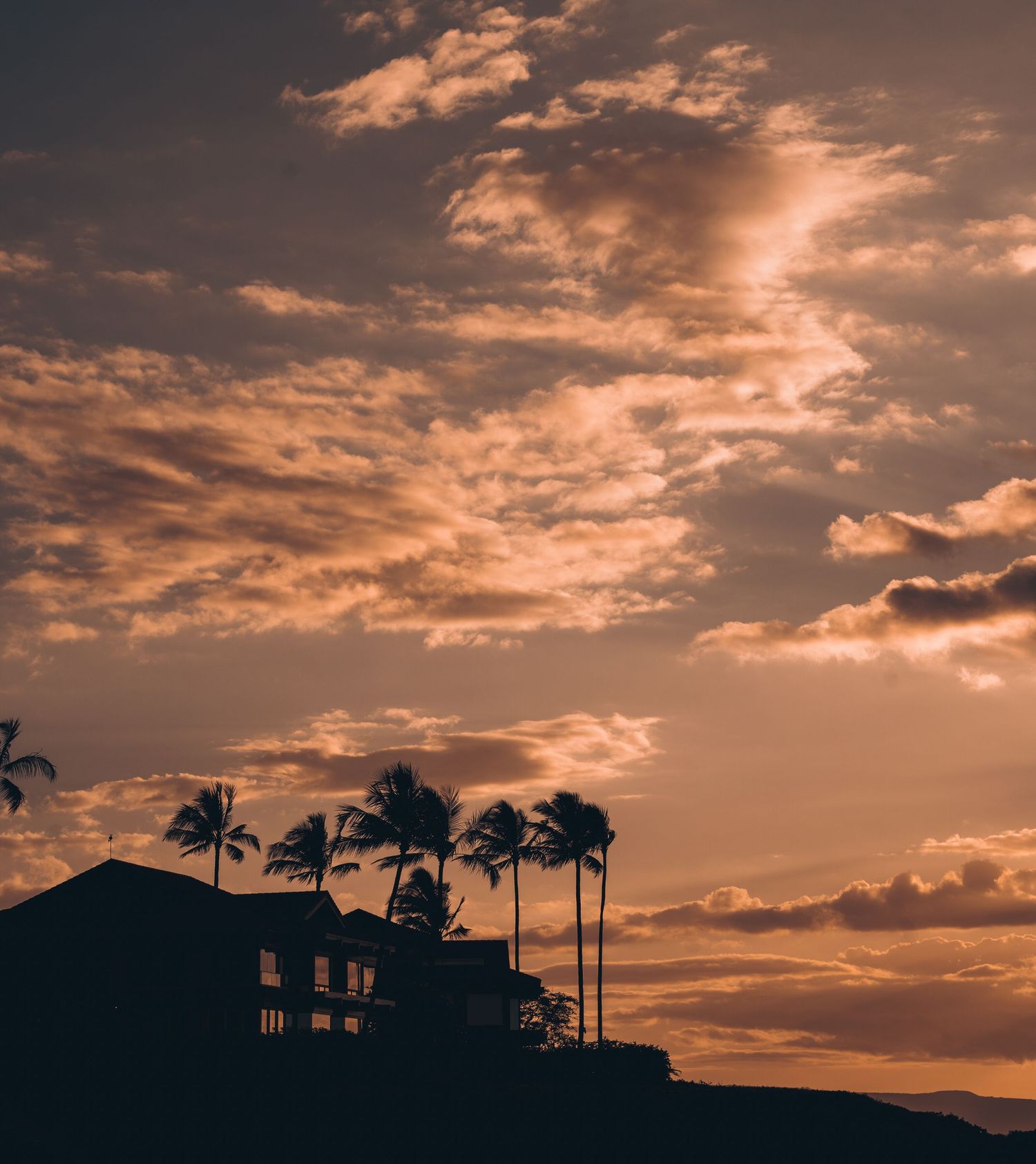
Yes, many professional photographers intentionally shoot during sunrise and sunset because the light is softer and more flattering.
But here's something I don't think gets talked about enough.
You're on vacation.
The goal isn't to spend every waking hour chasing perfect light or carrying a camera around your neck.
The goal is to enjoy the trip.
Ironically, I learned that lesson the hard way.
I learned that lesson the hard way.
Years ago, I took a trip to Cancun and packed what felt like an entire camera store.
I brought multiple camera bodies, five lenses, a drone, a gimbal, tripods, batteries, chargers—you name it. Everywhere we went, I had a camera in my hand because I felt like I needed to capture everything.
Looking back, I spent more time thinking about photography than I did actually enjoying the vacation.
A few years later, we went back to Cancun.
This time, I made myself do the exact opposite.
Instead of carrying a backpack full of gear, I brought one compact point-and-shoot camera and a DJI Osmo. Everything I needed fit comfortably in my pockets.
Before the trip even started, I made one simple decision.
I put my camera in Program Mode and committed to leaving it there for the entire vacation.
Whatever settings the camera chose were the settings I was going to live with.
That one decision completely changed the way I photographed the trip.
Instead of worrying about shutter speed, aperture, ISO, or constantly changing lenses, I focused on things that actually mattered.
I paid attention to how people moved through a scene.
I looked for natural frames.
I used foreground objects to create depth.
I watched how light fell across buildings, beaches, and faces.
Instead of documenting everything, I started telling the story of the trip.
I also gave myself another rule.
I would only intentionally shoot for about twenty minutes each day.
Maybe I'd dedicate one evening to sunset.
Maybe another morning if the light looked incredible.
The rest of the time, I put the camera away and enjoyed being present.
Ironically, I came home with photographs and videos that I liked far more than the ones I created years earlier with thousands of dollars of equipment.
That trip completely changed my philosophy.
Good travel photography isn't about photographing everything.
It's about photographing the right moments.
My 4 Rules for Better Vacation Photos
If I could only give someone four pieces of advice before they left for their next vacation, these would be the ones I'd choose.
1. Turn On Your Grid
This is one of the easiest improvements you can make, whether you're shooting on an iPhone or a professional camera.
Your grid gives you reference points that instantly improve composition.
When photographing people, try placing their eyes near one of the intersecting points instead of directly in the middle of the frame.
It's a small change, but it immediately creates a more balanced, natural-looking photograph.
2. Use Foreground Objects to Create Depth
One of the biggest reasons landscapes feel flat is because people only photograph what's in the distance.
Instead, ask yourself what's nearby.
A rock.
A tree branch.
A fence.
Flowers.
An archway.
Even something as simple as a railing can add another layer to the image and help pull the viewer into the scene.
Whenever I'm photographing mountain ranges or wide landscapes, I'm almost always looking for something in the foreground before I even raise my camera.
3. Learn One Lens Before Buying Another
This is probably my most unpopular opinion.
You don't need another lens—you need more time with the one you already own.
The fastest way I improved as a photographer wasn't by upgrading my gear. It was by learning exactly how one focal length saw the world.
When you know how your lens behaves, you'll naturally know where to stand, how close to get, and what your composition will look like before you even raise the camera.
That confidence comes from experience, not equipment.
4. Bracket Landscape Photos When It Makes Sense
If you're photographing mountain ranges, canyons, or other high-contrast scenes, exposure bracketing can make a huge difference.
Capture separate exposures for:
Shadows
Midtones
Highlights
Then merge them later in your favorite editing software.
I don't do this for every photo, but when the dynamic range is too much for a single exposure, it helps preserve detail throughout the entire scene while still looking natural.
You Don't Need Better Gear
If there's one myth I'd like people to stop believing, it's that better gear automatically creates better travel photos.
I've lived both sides of that argument.
I've traveled with multiple cameras, five lenses, a drone, a gimbal, tripods, and enough accessories to fill an entire backpack.
I've also traveled with gear that fit comfortably in my pockets.
The smaller kit won.
Not because the camera was magically better, but because I was more focused on enjoying the trip than managing equipment.
The less I worried about settings and gear, the more attention I paid to moments.
And moments almost always make better photographs than equipment ever will.
A little planning goes a long way.
Final Thoughts
One of the coolest lessons photography has taught me has nothing to do with cameras.
It's about perspective.
I don't really fear messing up anymore.
Sometimes a photo won't work.
Sometimes the light isn't perfect.
Sometimes I completely miss the shot.
That's just part of photography.
One of my favorite things to do is go back through photos I took years ago.
Almost every time, I find myself recropping an image with everything I've learned since then.
And almost every time I think the same thing.
"I was actually pretty good back then."
The photo didn't suddenly become better.
My eye did.
Experience changes the way you see your own work.
That's why I encourage people to stop chasing perfection and start chasing consistency.
Take more photos.
Experiment.
Learn from every trip.
The first time I went to Cancun, I packed three cameras, five lenses, a drone, a gimbal, and a tripod.
The second time, everything I needed fit into my pockets.
I came home with better photos.
That experience taught me something I wish I'd learned years earlier.
Great vacation photos rarely come from carrying more.
They come from seeing more.
Frequently Asked Questions
Do I need an expensive camera to take good vacation photos?
No. Modern smartphones and compact cameras are capable of producing incredible images. Composition, lighting, and storytelling have a much bigger impact on your photos than owning expensive equipment.
Is it better to use a zoom lens or a prime lens while traveling?
There's no universal answer, but I recommend limiting yourself to one focal length whenever possible. It forces you to think more about composition and helps you understand your camera much faster than constantly zooming or switching lenses.
What time of day is best for vacation photography?
Sunrise and sunset usually provide the softest, most flattering light. However, don't feel like every great photo has to be taken during golden hour. Great composition and interesting moments often matter more than perfect lighting.
How can I make landscape photos look less flat?
Look for foreground elements such as rocks, flowers, trees, fences, or architectural details to create depth. Instead of photographing only what's in the distance, include something close to the camera that leads the viewer into the scene.
Should I edit my vacation photos?
Yes, but keep it subtle. Basic adjustments to exposure, contrast, color, and cropping can help your images better reflect what you saw without making them look unnatural.
What's the biggest mistake people make when taking vacation photos?
Trying to photograph everything.
The best travel photos usually come from slowing down, planning ahead, and focusing on a handful of meaningful moments instead of documenting every minute of the trip
Ready to create images that tell your story? Whether you're building a brand, launching a product, or updating your marketing, we're here to help. Contact us today to discuss your next photography project.