
Why Hiring the Right Commercial Photographer in Dallas Matters
Short answer: Hiring a commercial photographer in Dallas means finding someone who treats your shoot like a business investment — with a clear process, real specialization, and a portfolio that proves they can solve your specific marketing goal, not just take a nice photo.
A lot of businesses skip straight to comparing cameras and Instagram feeds. But the photographers worth hiring understand your brand and how the images will actually be used long after the shoot wraps.
I've worked with businesses across multiple industries, and one thing I've learned is that the best commercial photography projects rarely happen because someone simply showed up with expensive equipment. They happen because there was a clear process, good communication, and a shared understanding of what success looked like before anyone ever picked up a camera.
If you're hiring a commercial photographer for the first time, or even if you've worked with photographers before, here's what every business should know.
Table of Contents
Why Commercial Photography Is Different
Look for Someone Who Specializes
Don't Judge a Photographer Only by Instagram
Consistency Beats Chasing Trends
Take Pre-Production Seriously
A Real Project: What Great Planning Looks Like
Ask About the Process, Not Just the Price
Hire Someone You Want to Collaborate With
FAQ: Hiring a Commercial Photographer in Dallas
Final Thoughts
Why Commercial Photography Is Different
One of the biggest misconceptions I see is businesses assuming that all photographers do the same type of work.
Commercial photography is very different from wedding photography, family portraits, events, or social media content. While many photographers can technically shoot a variety of subjects, specialization matters.
Commercial photography in Dallas often involves:
Licensing and usage rights
Brand guidelines
Marketing objectives
Production planning
Creative direction
Multiple stakeholders reviewing the work
The goal isn't simply creating beautiful images. It's creating photography that helps your business communicate, market, recruit, advertise, or sell more effectively.
Just like you wouldn't hire a wedding photographer to design your marketing strategy, you shouldn't assume every photographer is the right fit for Dallas commercial photography simply because they own a camera. And because commercial images are typically licensed for a specific use, it's worth understanding how usage rights and "work made for hire" actually work before you sign anything.
Look for Someone Who Specializes
One lesson I've learned throughout my own career is that it's impossible to specialize in everything.
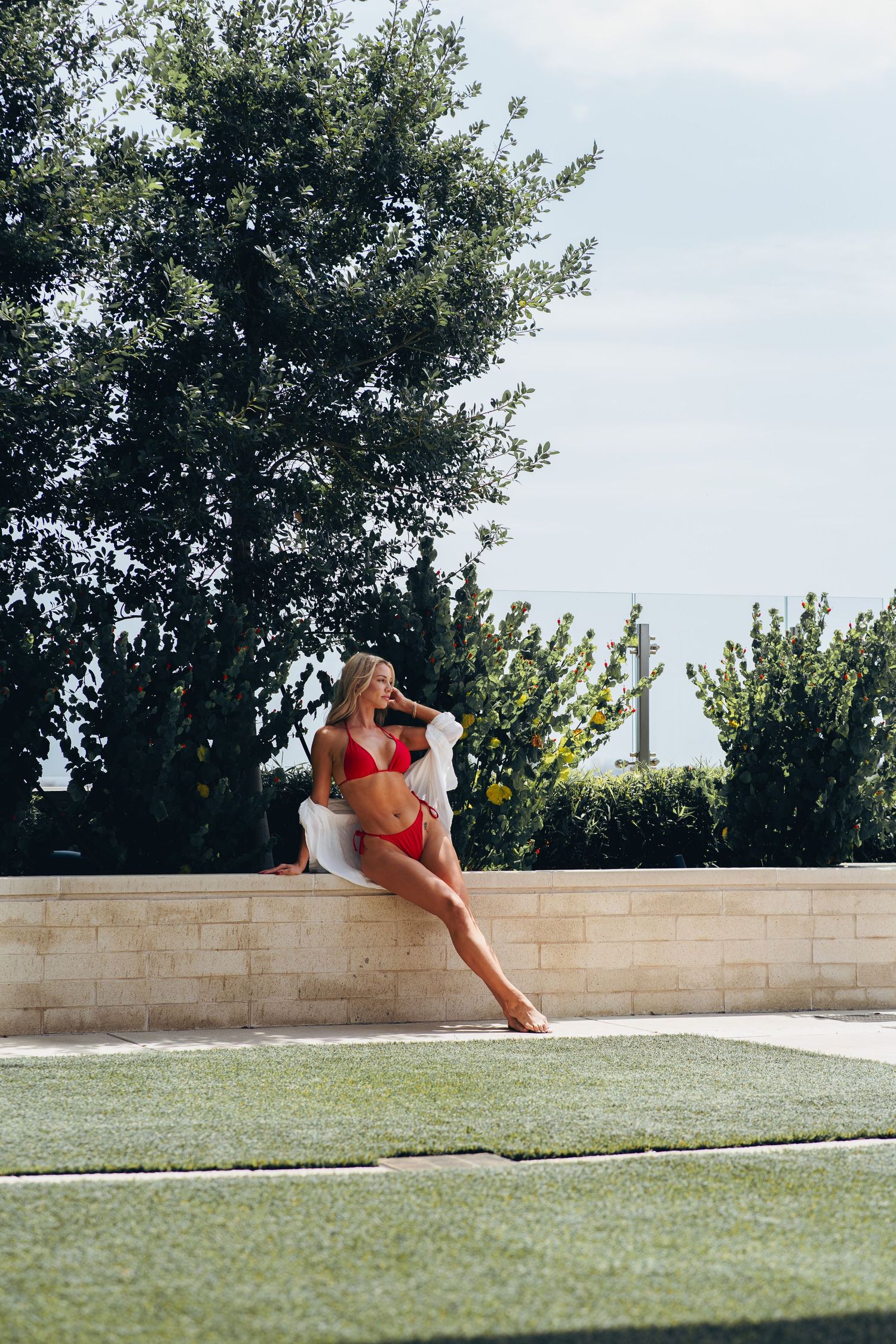
I've photographed real estate projects, and while I absolutely enjoy helping clients succeed, I also learned something important about myself: I prefer lifestyle campaigns, branding work, swimwear, creative advertising, and commercial storytelling.
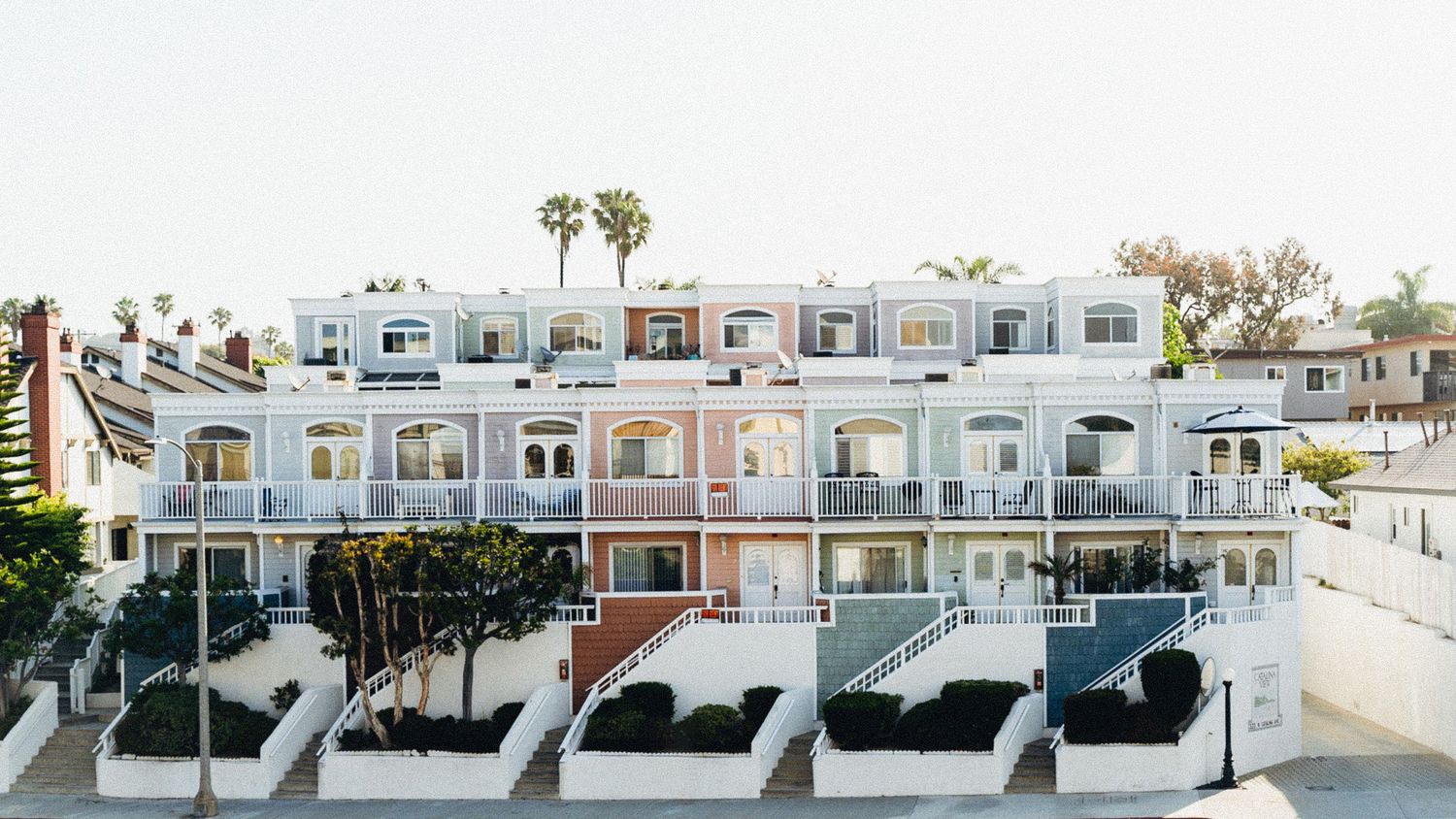
Real estate photography requires a very specific technical approach. There are photographers who truly love that style of work and have perfected it.
That's why specialization matters. I'd much rather build a team around the right expertise than pretend every project fits my strengths. In the long run, that's better for everyone involved, especially the client.
When you're evaluating a commercial photographer in Dallas, ask yourself:
Does their portfolio include businesses like mine?
Have they solved similar marketing problems before?
Do they seem genuinely passionate about this type of work?
Those answers are often more valuable than simply asking how many years they've owned a camera.
Don't Judge a Photographer Only by Instagram
This one surprises people.
I've actually landed a large percentage of my commercial work through Instagram. But here's the truth: Instagram is not a business. It's a marketing platform.
Many of my personal projects performed well because they were creative, fun, and visually interesting. That absolutely helped people discover my work. But what makes someone a professional commercial photographer isn't how many likes they receive. It's everything behind the scenes.
Professional photographers have:
Contracts that protect both sides
Production workflows that keep a shoot on schedule
A clear understanding of licensing and usage rights
Clear communication throughout the project
A process for managing revisions
Realistic timelines they actually hit
Pictures are subjective. An image of an influencer or model might rack up thousands of likes online, while a technically perfect commercial image built for a business campaign might get far less engagement. That doesn't make one better than the other. Commercial photography exists to help businesses accomplish goals, not win popularity contests on social media.
Consistency Beats Chasing Trends
When I look at other commercial photographers, I'm not searching for someone who copies the latest trend. I'm looking for consistency.
The photographers I admire all have something in common: they've developed their own look, their own process, their own approach. They're inspired by other artists, but they aren't constantly changing styles to match whatever's popular this month.
As a client, that's exactly what you should be looking for too. A strong commercial portfolio should feel consistent from project to project while still adapting to each client's unique brand. That consistency usually comes from experience, not presets.
Take Pre-Production Seriously
If I could give every client one piece of advice before hiring a commercial photographer, it would be this: fill out the questionnaire.
I know it can feel like homework. It isn't.
Those questionnaires exist to help photographers ask better questions, understand your goals, and uncover details that often don't come up during a quick phone call. When clients take the time to complete them thoroughly, several things happen:
Meetings become far more productive.
Everyone understands the creative direction before the shoot day.
Potential problems get identified early, not on set.
Fewer revisions are needed later.
Production days run much more smoothly.
Your photographer's time is valuable. So is yours. The questionnaire isn't there to slow the project down; it's there to save everyone time before the cameras ever come out. In my experience, great commercial photography usually begins weeks before the shoot itself.
A Real Project: What Great Planning Looks Like
One project that stands out was producing a commercial for The Agency, a luxury real estate brokerage, as part of a campaign designed to attract buyers from colder states like Utah and Idaho to Southern Utah.
The goal wasn't simply showcasing homes. It was selling a lifestyle.
The client came prepared:
They had brand guidelines ready to go.
They had examples of what they liked and didn't like.
Locations were selected and schedules were finalized ahead of time.
Communication stayed excellent throughout the process.
Revision requests were thoughtful and made the final product stronger instead of creating unnecessary back-and-forth.
I was also able to cast talent that fit the vision, including people I already knew would perform well on camera.
Looking back, that project reinforced something I've experienced repeatedly throughout my career: the smoother the planning process, the better the production day becomes. Everyone knew what success looked like before filming started. That's never an accident.
Ask About the Process, Not Just the Price
Budget matters. Every business has one. But commercial photography isn't something that should be compared solely by hourly rates.
Production costs often include:
Creative planning
Equipment
Lighting and assistants
Styling and wardrobe
Location logistics
Editing
Licensing and image usage rights
Those aren't hidden costs. They're part of producing professional commercial imagery that businesses can confidently use across websites, advertising campaigns, social media, print materials, recruiting, and marketing. Understanding what's included helps you compare photographers much more accurately than comparing a single hourly number.
Hire Someone You Want to Collaborate With
The best commercial photography projects don't feel transactional. They feel collaborative.
Your photographer should listen, ask thoughtful questions, challenge ideas when necessary, offer creative solutions, and bring real experience to the table. Likewise, businesses should be willing to share their goals, brand standards, examples they like, and expectations early in the process.
Great creative work rarely happens because one person had all the answers. It happens because everyone worked toward the same vision.
FAQ: Hiring a Commercial Photographer in Dallas
How much does it cost to hire a commercial photographer in Dallas?
Commercial photography pricing depends on scope: how many final images you need, how the images will be used (web, print, national ad campaign), how many locations or talent are involved, and how much pre-production and editing the project requires. Instead of comparing a single hourly rate, ask what's included in the quote — planning, equipment, styling, editing, and licensing all factor in.
What's the difference between commercial and portrait photography?
Portrait and event photography capture a moment for personal use. Commercial photography is created specifically to help a business market, advertise, or sell — which means it usually involves brand guidelines, usage licensing, and input from multiple stakeholders before a single photo is taken.
What should I look for in a photographer's portfolio?
Look for consistency in style and quality across projects, and look for work that solves a similar marketing problem to yours — not just technically nice photos. A portfolio full of businesses similar to yours is a stronger signal than a large social media following.
Do I need a contract before a commercial shoot?
Yes. A contract should outline deliverables, timeline, revision policy, and — importantly — image usage rights, so both you and the photographer know exactly how the final images can be used.
Who owns the rights to the photos after the shoot?
This depends entirely on what's specified in your contract. Some agreements transfer full usage rights to the client, while others license the images for specific uses only (like web use but not print, or a set time period). Clarify this before the shoot, not after.
How far in advance should I book a commercial photographer?
Because pre-production (questionnaires, location scouting, casting, scheduling) often takes weeks, it's best to reach out at least three to four weeks before your target shoot date — earlier for larger campaigns with multiple locations or talent.
Final Thoughts
Hiring a commercial photographer in Dallas isn't about finding the cheapest option or the biggest Instagram following. It's about finding someone whose experience, communication style, creative process, and portfolio align with your business goals.
One philosophy has stayed with me throughout my career: whatever you invest in compounds. The effort you invest before the shoot — through planning, communication, and preparation — almost always shows up in the final work.
If you're hiring a commercial photographer, don't just ask to see the photos. Ask about the process that creates them. That's usually where the biggest difference is made.
Ready to talk through your next project? Get in touch or take a look at recent Dallas commercial photography work to see the process in action. You can also learn more about the studio on the Whereyeam homepage.